Homebuilding Review
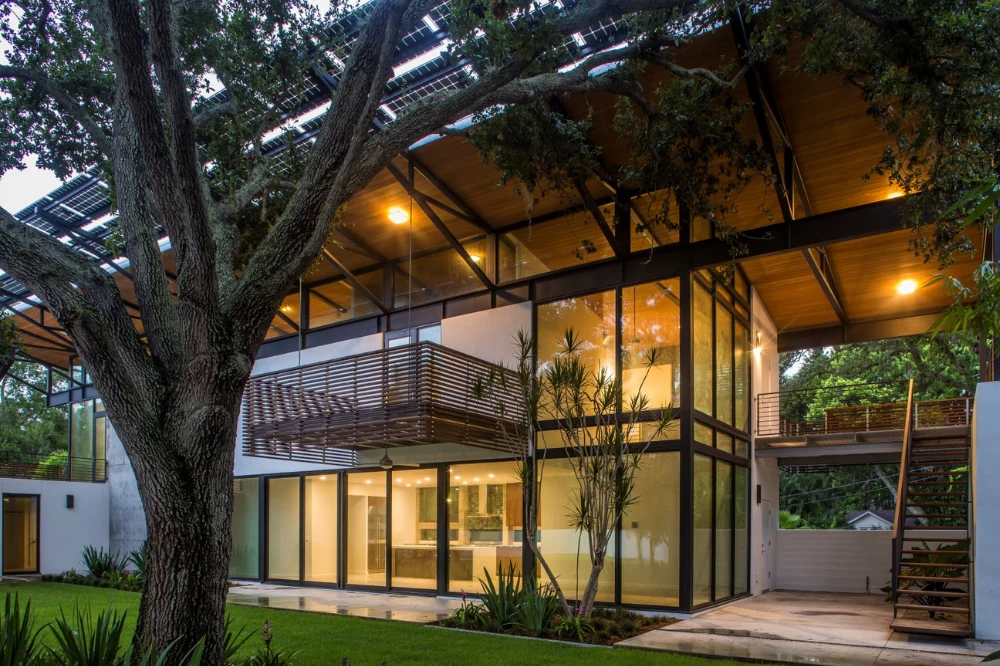
How to hire a general contractor
The first hire on any project shapes every one that follows. A practical walk-through of vetting, references, insurance and the written scope — with a worksheet you can take to interviews.
Three decisions, one house
We treat general contracting, home building and roofing as one connected sequence — who is responsible, what to document, and which choices constrain the next.
Hiring, scope and the paper trail
The contractor you choose runs the schedule, the subs and the money. Our lead guide covers reference checks, insurance, communication and the written contract that protects both sides.
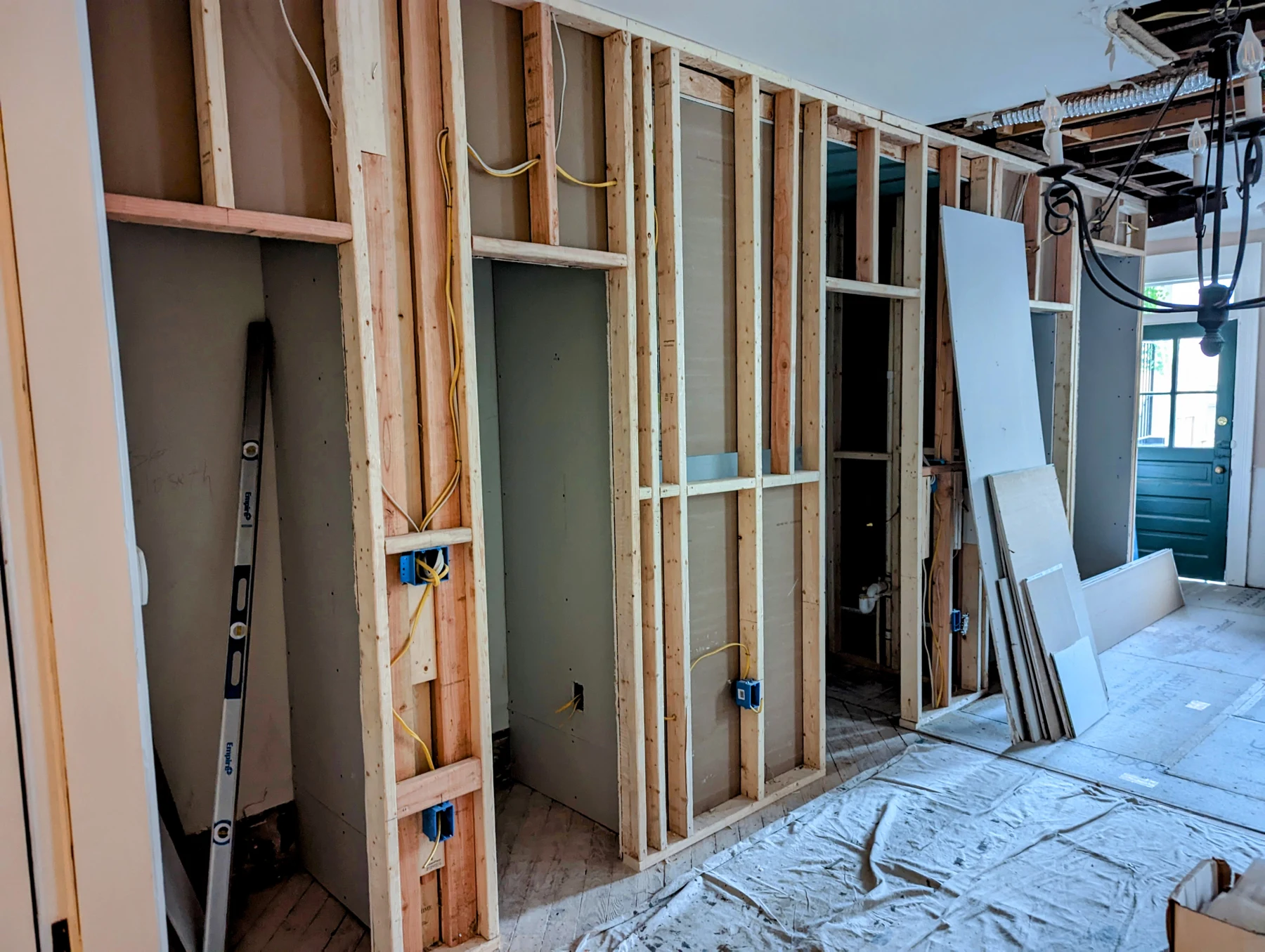
Building in the right order
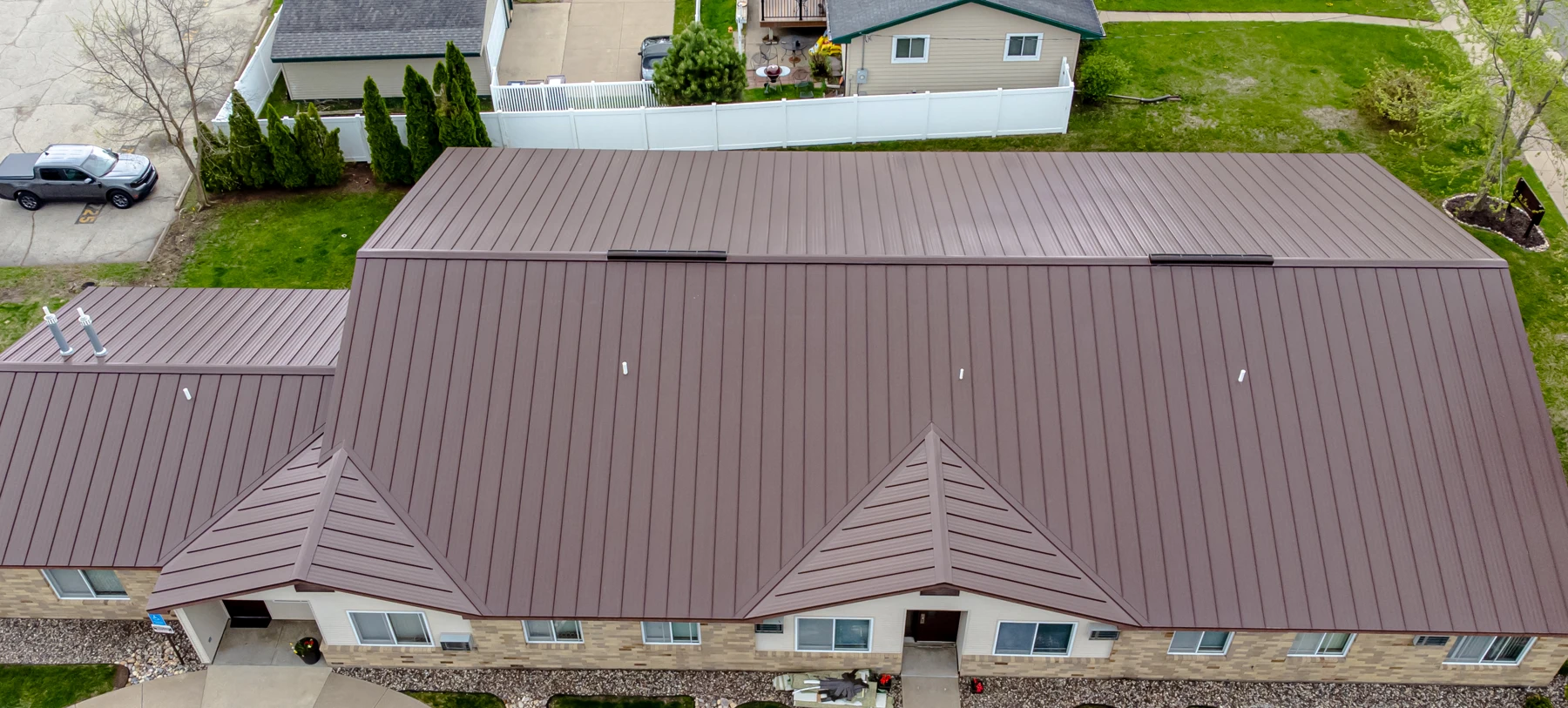
A roof matched to your slope
- Comparison
Choose roofing materials for the whole roof system
- Explainer
Low-slope roofing: systems and questions to ask
- Decision guide
Roof repair or replacement?
Residential Design
William Morgan’s residential work offers a useful perspective on site, climate and the shape of a home.
William Morgan (1930–2016) was a Florida architect known for earth-sheltered houses that set living space into the land rather than on top of it.
The interesting move is not building on the land but building into it — letting the house all but disappear. Homebuilding Review, editorial perspective
At Atlantic Beach, Florida, Morgan's Dune House set a pair of twin dwellings into an oceanfront dune, integrating the homes with the landscape rather than building on top of it. Our account draws on published sources — the USModernist biography and a Small House Bliss write-up — which you can follow from those pages.
For readers planning their own homes, the useful thread is practical: a house answers its site and climate first. That idea runs through every section of this publication.